From Ordinary to Extraordinary - What Makes a Luxury Brand?

‘Evangeline’ heels by Sophia Webster (aka the shoes of dreams). Image by Heather Seed.
What makes a brand truly luxury? It comes down to a specific combination of qualities - craftsmanship, exclusivity, heritage, strong visual identity and exceptional customer experience - that together elevate a brand from simply premium to genuinely covetable. Here's what those elements look like in practice, and how to apply them to your own business.
When creating, building or growing a luxury brand we can learn a lot from the features that most high-end brands have in common, so let’s take a closer look at the combination of distinctive elements that distinguishes them - such as craftsmanship, exclusivity and heritage - and see how we can apply them to our own luxury businesses.
QUALITY
The hallmark of every great luxury brand is an uncompromising commitment to quality. From materials to manufacturing processes, every aspect is carefully considered and executed with precision. Attention to detail and a focus on craftsmanship are key distinguishing factors of luxury brands.
How can we apply this?
Whether you’re a luxury product manufacturer or a high-end service provider, in order to gain those discerning clients quality must be at the forefront. Choose the finest materials and packaging, offer the best quality service in your industry and ensure every touchpoint screams excellence.

Image by Heather Seed.
SCARCITY
Scarcity creates a sense of desirability among customers and successful luxury brands often maintain a sense of exclusivity by limiting the availability of their products or services. In rejecting mass-production and endless availability, the perceived value of the offering is enhanced and a brand’s status gets elevated.
How can we apply this?
Aspiring luxury product brands could look at producing items in limited quantities, creating seasonal collections or offering bespoke and customised pieces. Luxury service providers can offer personalised experiences to their customers, high-end partnerships with other luxury brands and even exclusive access to certain services for your VIP clients.
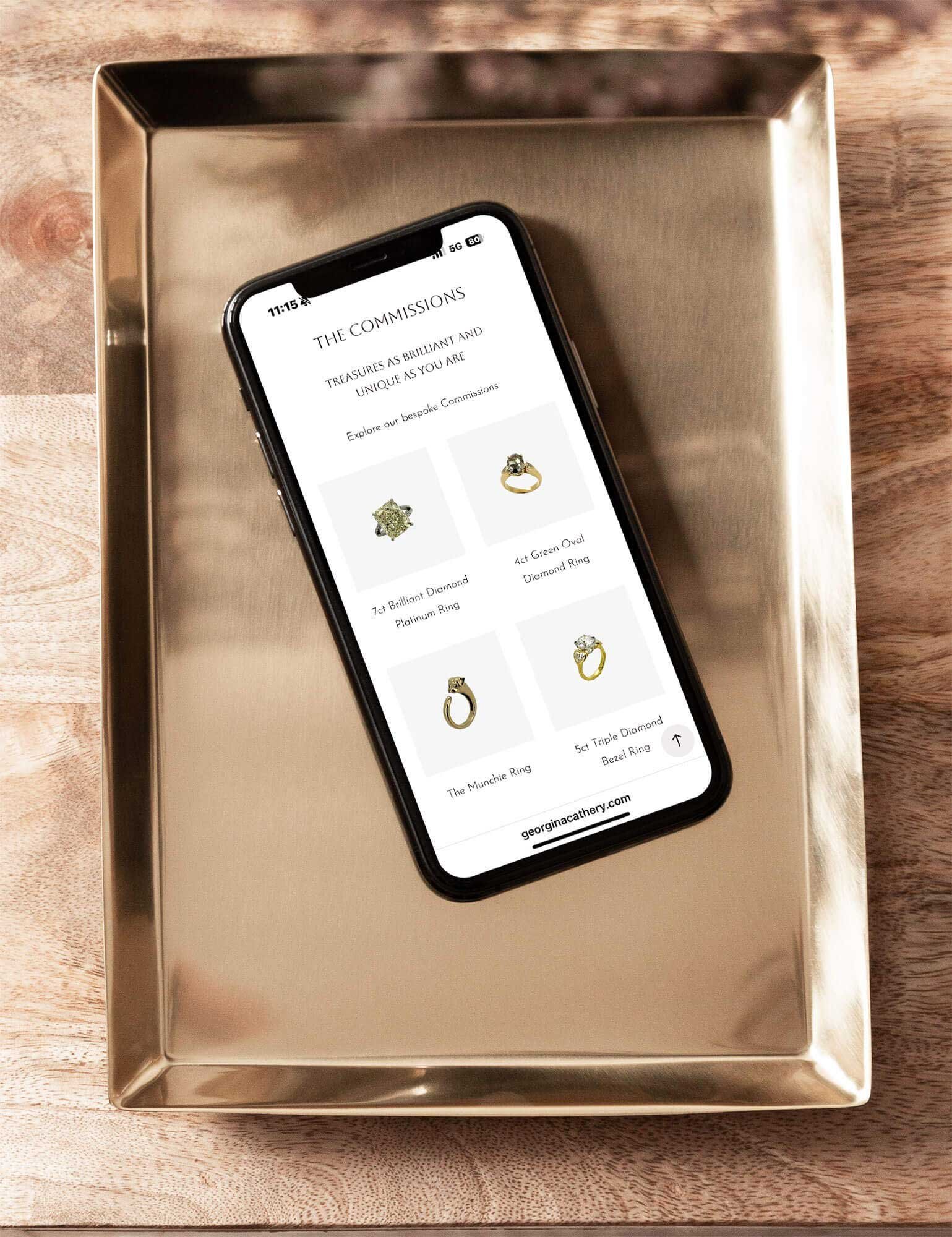
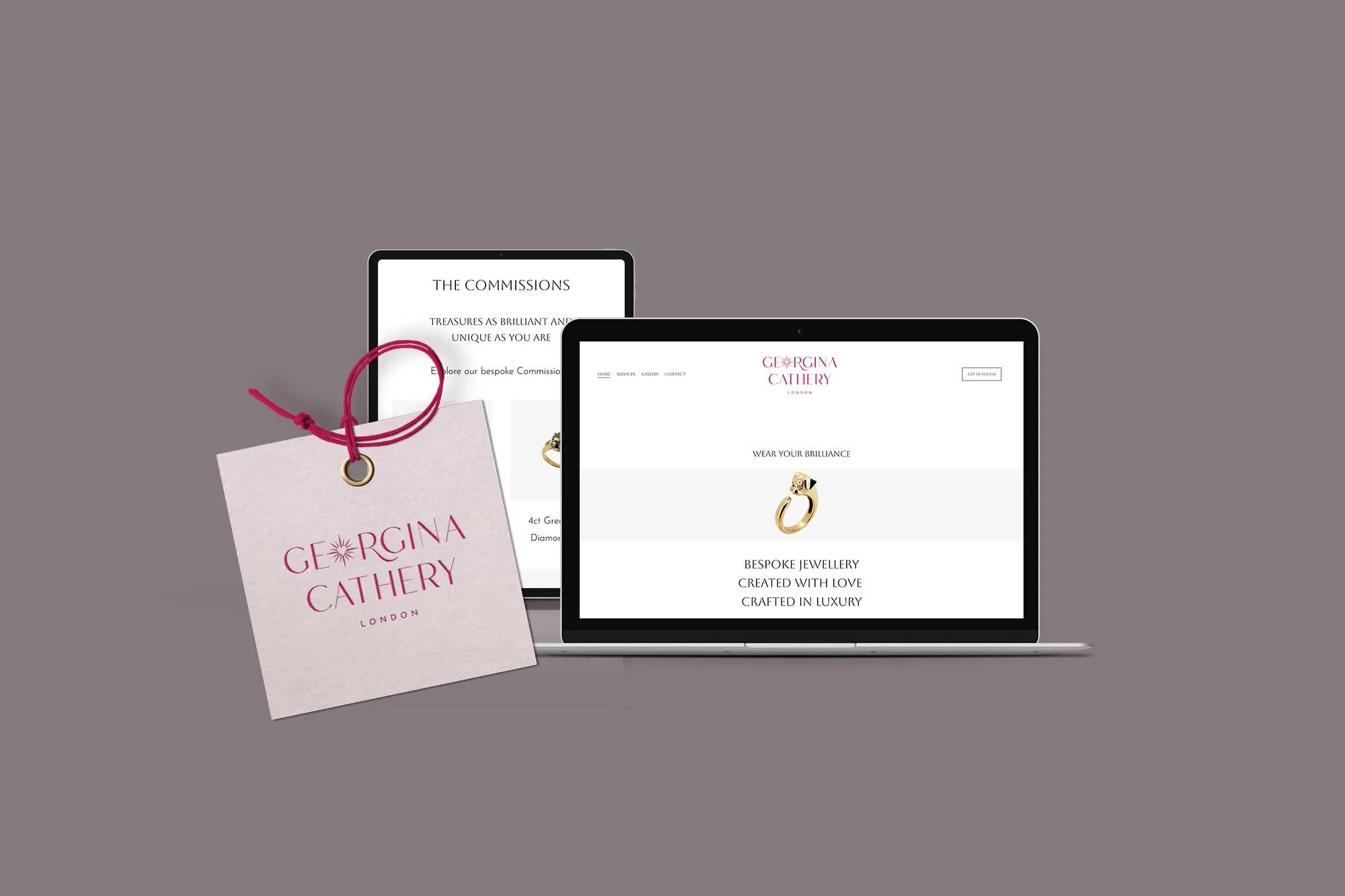
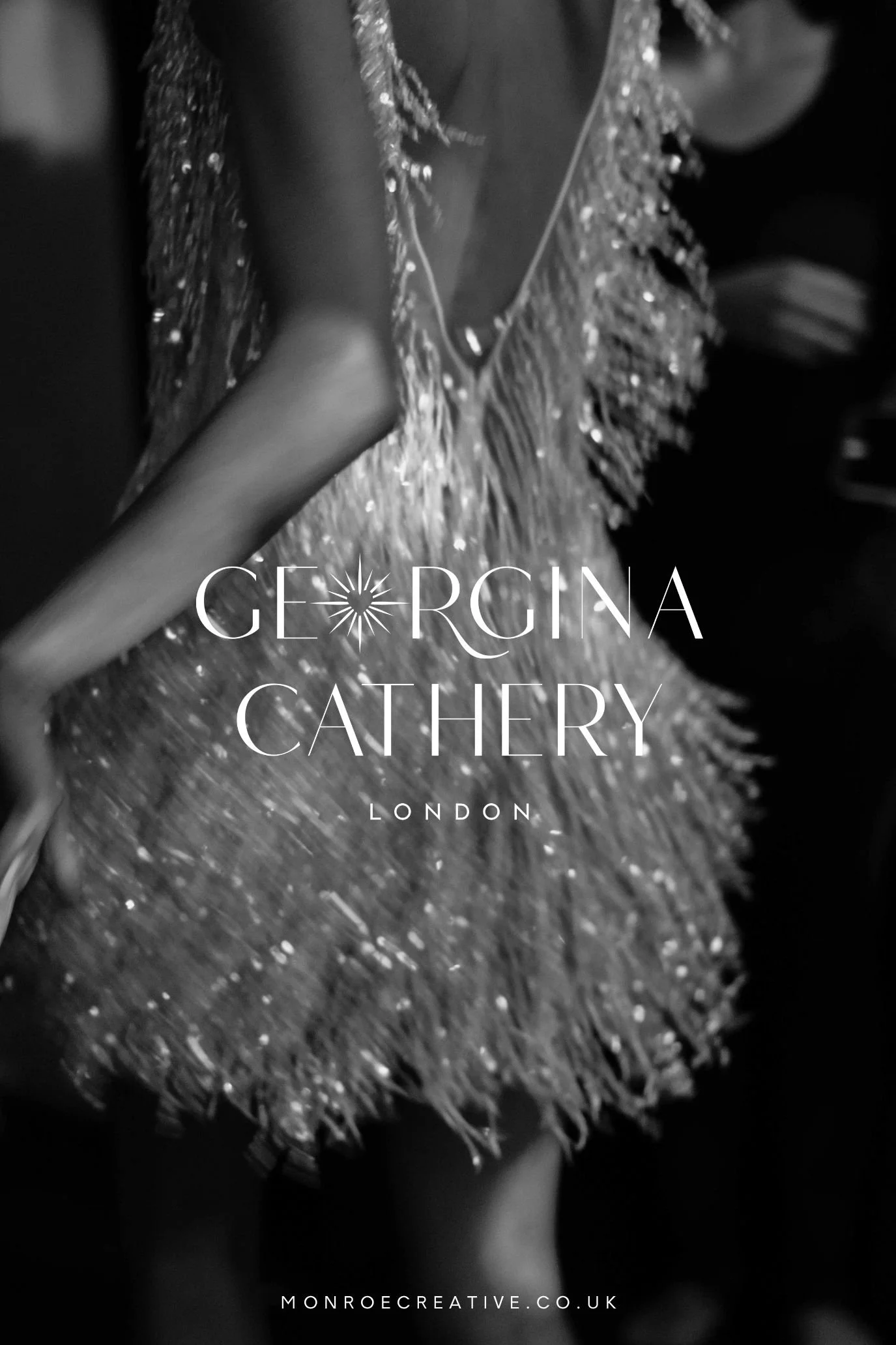
Georgina Cathery Jewellery is a brilliant example of scarcity done with complete integrity - every piece is bespoke and one of a kind, made to order for a single client. The brand positioning, visual identity and website all reflect this: nothing feels mass-produced, nothing feels available to everyone. That intentional exclusivity is built into every touchpoint, and it's a huge part of what makes the brand feel genuinely luxury rather than just premium.
HERITAGE
Luxury brands often have a rich history and heritage that spans several decades or even centuries - think Tiffany & Co, Chanel and Liberty London. They have established themselves as pillars of excellence in their industry, and this legacy conveys a sense of tradition, expertise and timeless appeal that newer brands can only dream of. Or can they?
How can we apply this?
Heritage isn't solely about age - it's about depth, craft and the sense that something has been made with patience and intention. A well-considered brand identity can communicate all of that, even for a relatively new business.
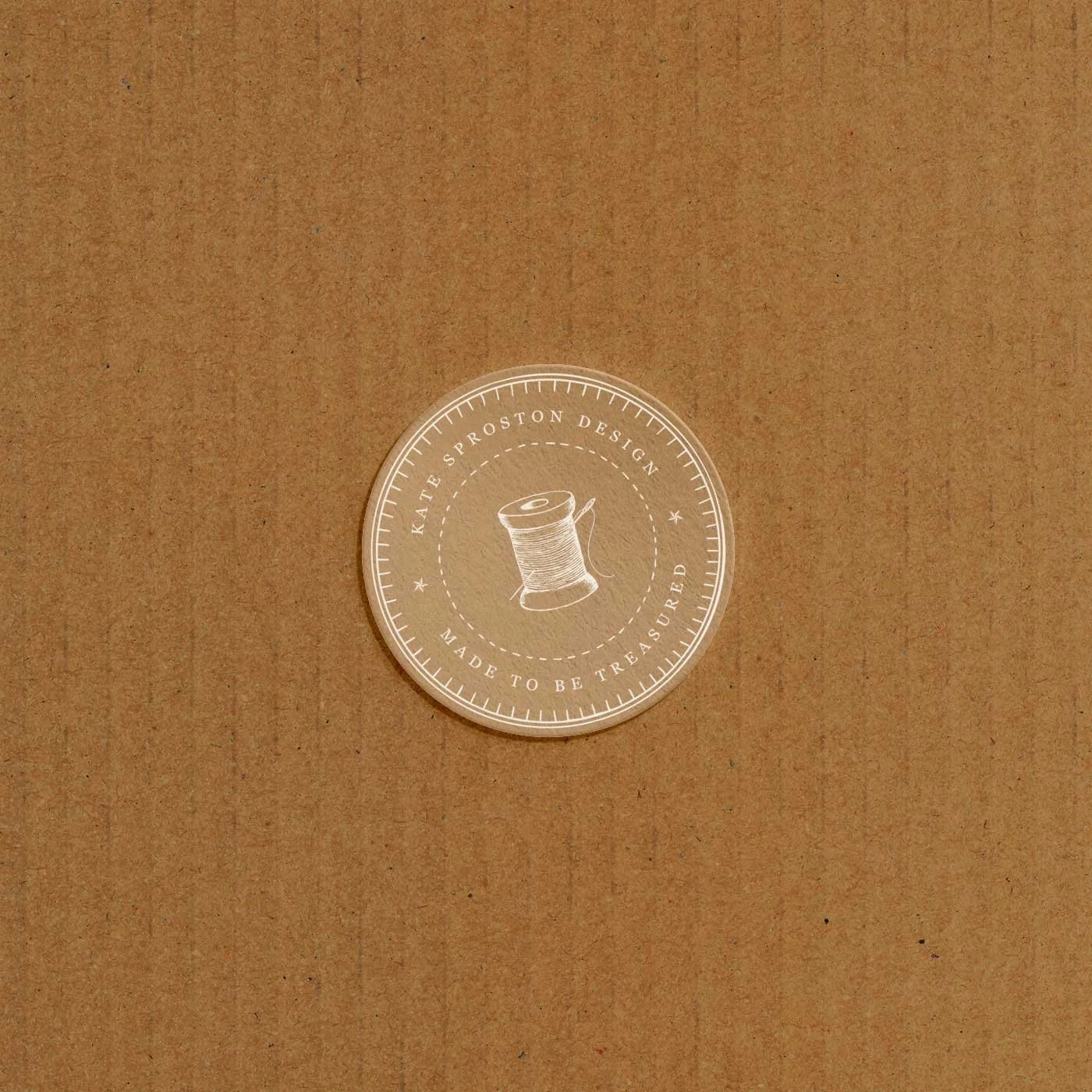
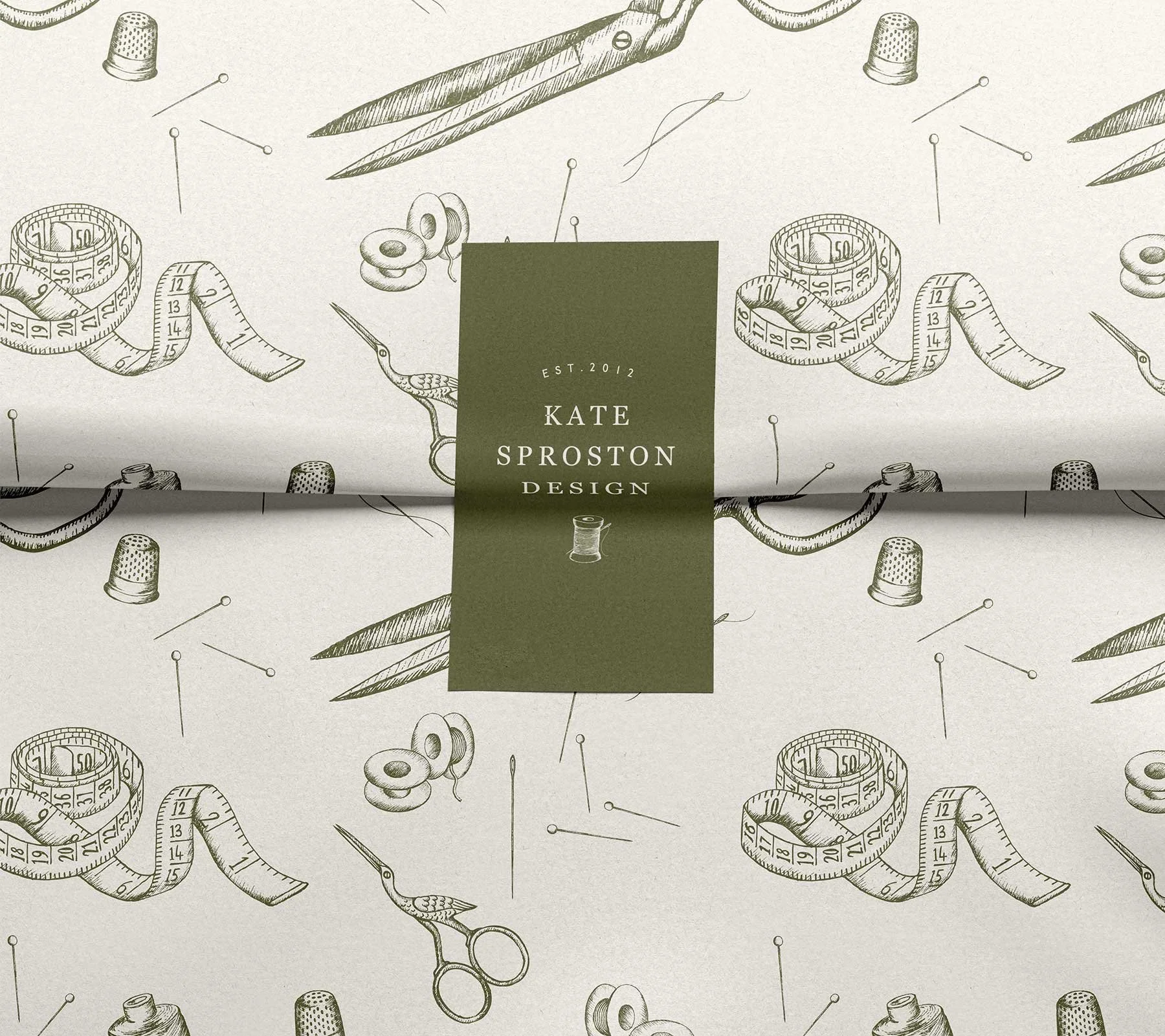
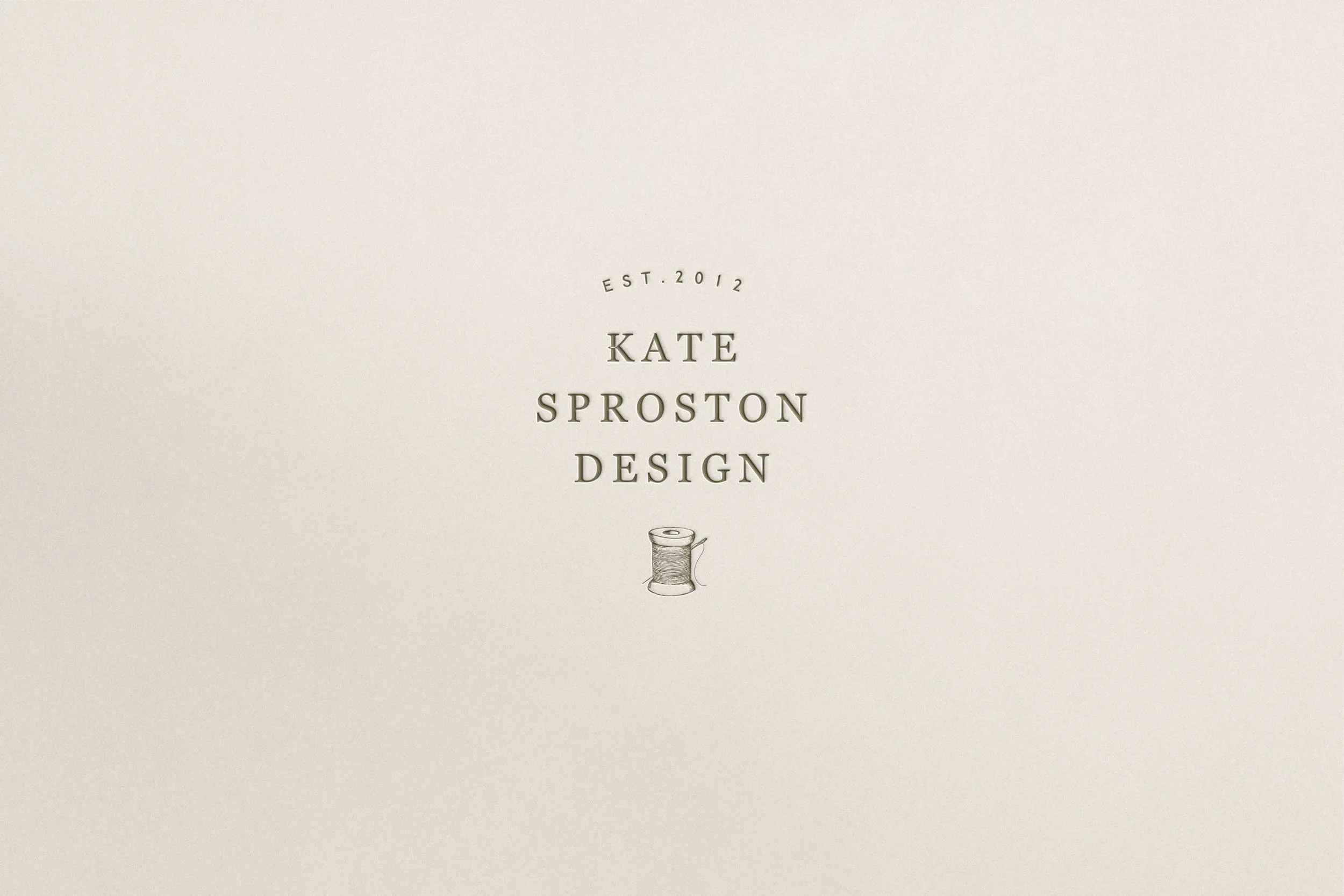
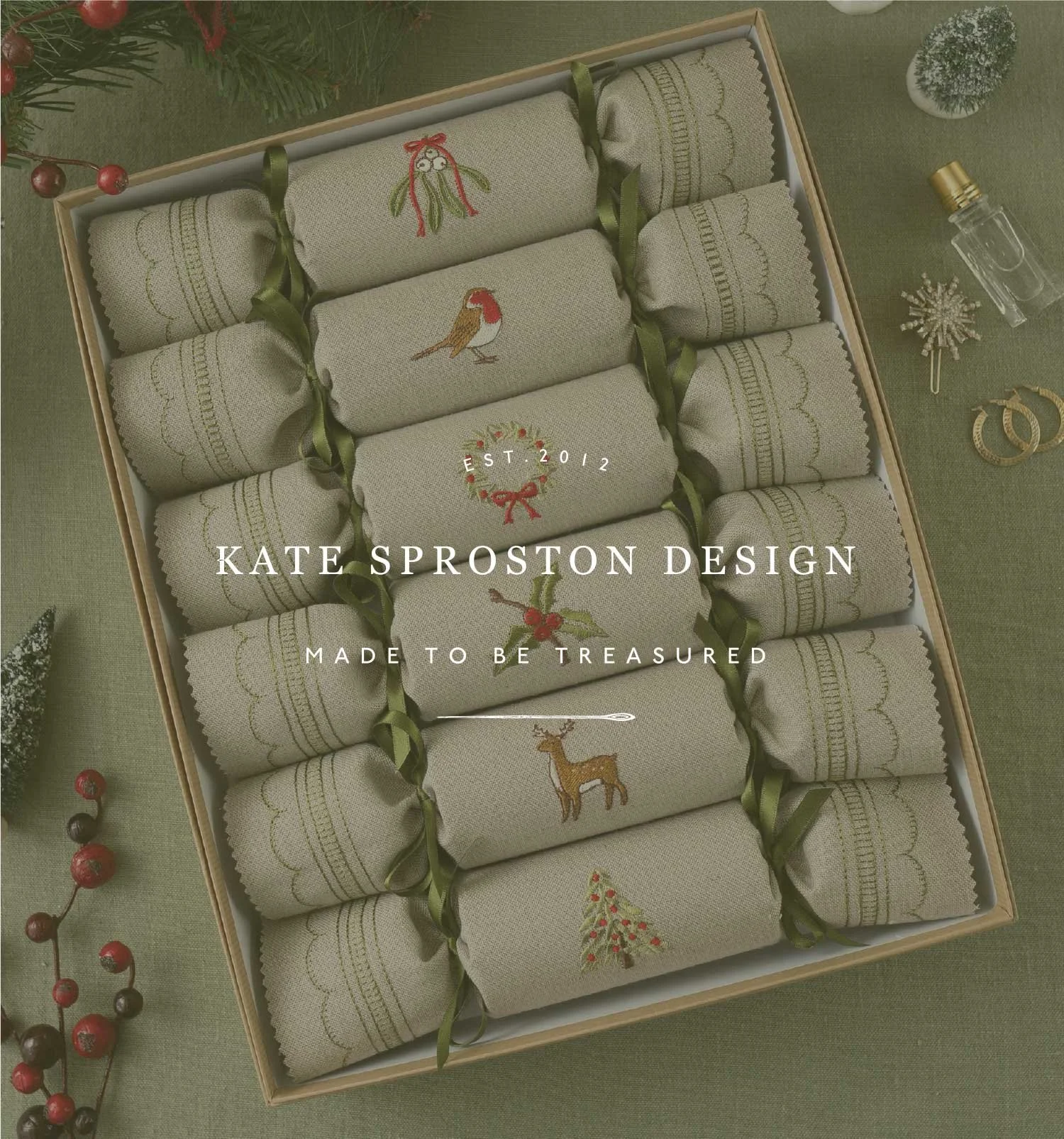
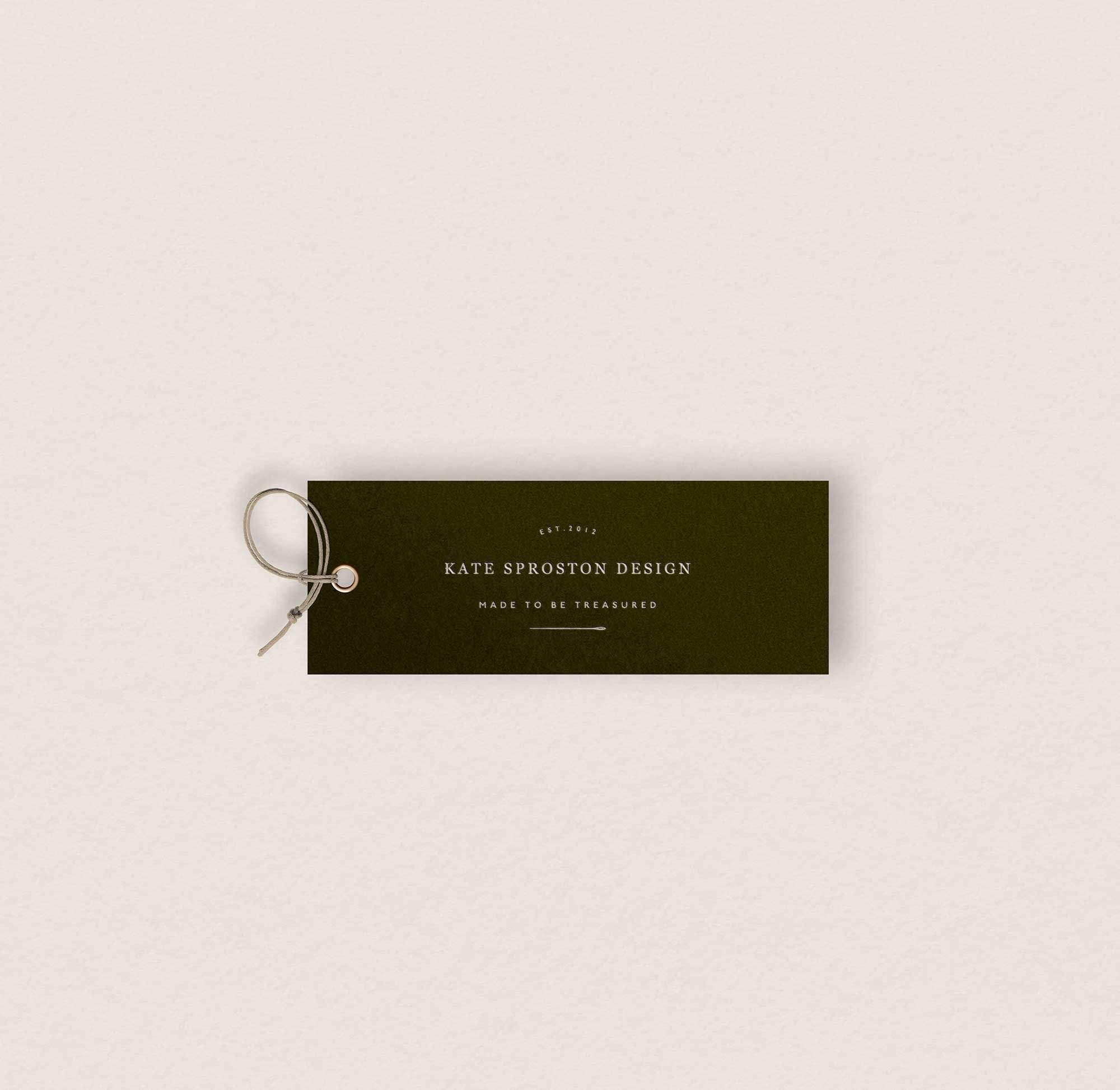
Kate Sproston Design is a brilliant example. Kate is a British embroidery studio creating intricately crafted textile pieces inspired by the natural world - beautifully made objects designed to be cherished as modern heirlooms. The work itself is rich in heritage. The challenge was making sure the brand reflected that, without tipping into the overly rustic or "crafty" aesthetic that can undermine the perceived value of handmade work.
The rebrand positioned Kate Sproston Design firmly within the modern heritage space: traditional craft presented through a refined, contemporary lens. Every visual decision was made in service of that positioning - 19th-century typefaces, hand-illustrated motifs referencing traditional sewing tools, and even a small needle head worked quietly into the K of the logo, designed to be discovered rather than announced. The result feels spacious and archival - rooted in craft yet entirely modern in its expression.
The impact was immediate. As Kate herself put it: "I debated for a long time over whether to invest in a rebrand, but on reflection it is one of the most worthwhile investments I have ever made in my business. I was absolutely blown away at how professional everything looked."
For your own brand, developing a visual identity with this kind of depth - through typography, illustration and the thoughtful layering of meaningful details - can create the perception of heritage and craft even if your brand is relatively new. It's not about pretending to be something you're not. It's about expressing, visually, what you already are.
STRONG BRAND IDENTITY
Luxury brands excel in cultivating strong visual brand identities that effortlessly communicate their essence of status and sophistication. Often, these brand identities are timeless and elegant - shunning trends in favour of visuals that stand the test of time.
How can we apply this?
The branding and online presence for a luxury brand is one of the most vital elements to get right - these are your initial touchpoints with your customer so they must capture the essence of elegance, refinement and exclusivity, working hard to connect with your dream customer. Obviously, I strongly recommend working with a luxury brand designer and I think I know just the girl…!

CUSTOMER EXPERIENCE
Luxury brands prioritise providing an exceptional customer experience. From personalised service and attentive staff to a seamless online experience they create an atmosphere of sophistication and indulgence. Customers expect a tailored experience that extends beyond the product or service itself.
How can we apply this?
It’s important here to really understand your ideal customer so you can create an experience that speaks directly to their needs and desires. Luxury service brands could go the extra mile with a beautiful onboarding gift to welcome a new client. In essence, going the extra mile, attention to detail and anticipating what your customer will need will enhance your overall customer experience and differentiate your luxury business from competitors.
By paying attention to these core elements, luxury brands can elevate the ordinary to extraordinary and create a legacy that stands the test of time.
Ready to build the visual identity your luxury brand deserves?